Comparison
Updated: May 4, 2020
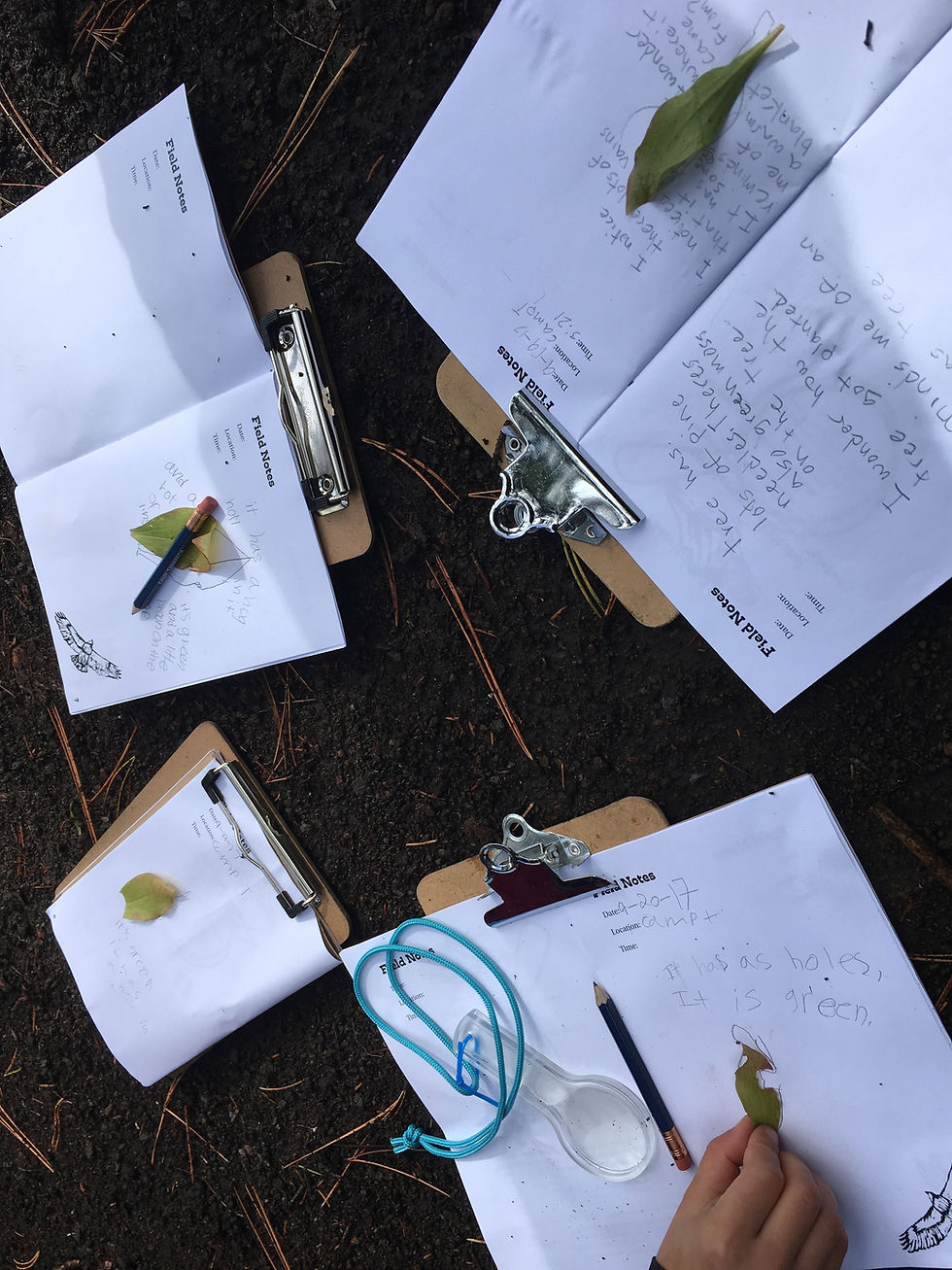
When we compare objects, their unique details stand out and we're able to reveal patterns around us. Whether in your home or yard, find two objects and compare them!
This is the second activity in our series on nature journaling based on practices and activities from "How to Teach Nature Journaling" by John Muir Laws and Emilie Lygren.
Why Use a Nature Journal? - From Laws and Lygren
- To slow down, pay attention, and experience awe and wonder.
- To develop students' creativity and critical thinking skills.
- To develop students' science identity through authentic science practices.
- To nurture connection with nature.
- To build an inclusive culture of curiosity in the family or classroom.
- To support interdisciplinary learning.
Open the activity here!
Snap a picture of your completed journal and send it our way on social media! We'd love to check it out!


The distinction between this style and a regular chiffon cake is interesting, especially the techniques used for a more tender crumb. Understanding the 'hot milk' and 'water bath' methods is key to getting that soft, moist texture. For bakers who want to try a slightly different approach, this guide seems to explain the process well. I found the explanation on this tutorial page to be quite clear.